Is Crypto Mining Still Profitable in 2026? A Realistic Guide for Miners
A realistic look at crypto mining in 2026, exploring how energy costs, hardware efficiency, network difficulty, and regulations affect profitability worldwide. This guide helps miners understand whether mining is still worth the investment today.
Introduction
Crypto mining in 2026 is not as simple or predictable as it once was, and this is why many miners are feeling uncertain. Electricity costs have increased in many parts of the world, mining hardware becomes outdated faster, regulations are changing, and network difficulty keeps rising. All of these factors make it harder to earn consistent profits from mining today.
Market cycles also play a big role. During bull markets, higher crypto prices can make mining profitable again, even with higher costs. But long bear markets often reduce rewards and push inefficient miners out of the network. These repeated ups and downs have made mining more risky and less forgiving than before.
In this article, we take a clear and practical look at what has changed in crypto mining, why miners are worried in 2026, and what you should consider before deciding if mining is still worth the effort in today’s global market.
How Crypto Mining Works ( Quick Overview )
Crypto mining is the process of verifying transactions on a blockchain and adding them to a public record. Miners use computing power to solve complex problems, and those who successfully validate a block are rewarded with cryptocurrency and transaction fees.
Mining requires specialized hardware, software, and electricity, and the network automatically adjusts difficulty based on competition. In simple terms, crypto mining helps secure the network while rewarding participants for their computing power. A detailed explanation of how crypto mining works is covered in a separate guide.
Current State Of Crypto Mining In 2026
Crypto mining in 2026 has become more competitive and globally distributed than ever before. As more miners and large-scale operations enter the network, the total hash rate continues to grow, making it harder for individual miners to earn consistent rewards. This increase in computing power has strengthened blockchain security but has also reduced profit margins for less efficient setups.
Another major change is the shift from small, independent miners to industrial-scale mining operations. Large mining farms benefit from bulk hardware purchases, access to lower-cost energy, and optimized infrastructure, giving them a clear advantage over home miners. As a result, mining is increasingly dominated by professional operators, while smaller miners must focus on efficiency, niche strategies, or alternative coins to stay competitive.
Key Factor That Decides Mining Profit
Mining profitability in 2026 depends on several core factors that can make or break your operation. Understanding these factors is essential for both home miners and industrial operators worldwide. The most important elements influencing profits are electricity costs, mining hardware efficiency, and cryptocurrency prices coupled with market volatility.
Electricity Costs
Electricity remains the single largest expense for miners and often determines whether a mining setup is profitable or not.
Why power cost is critical:
Mining hardware runs continuously, consuming vast amounts of energy. Electricity expenses can account for 60–80% of total operational costs, making it the most important factor for miners globally.Ideal electricity cost for profit:
Globally, miners typically aim for rates below $0.05–$0.08 per kWh. Regions with lower energy costs give miners a significant edge, while higher electricity prices can quickly turn profits negative.Advantages of renewable energy:
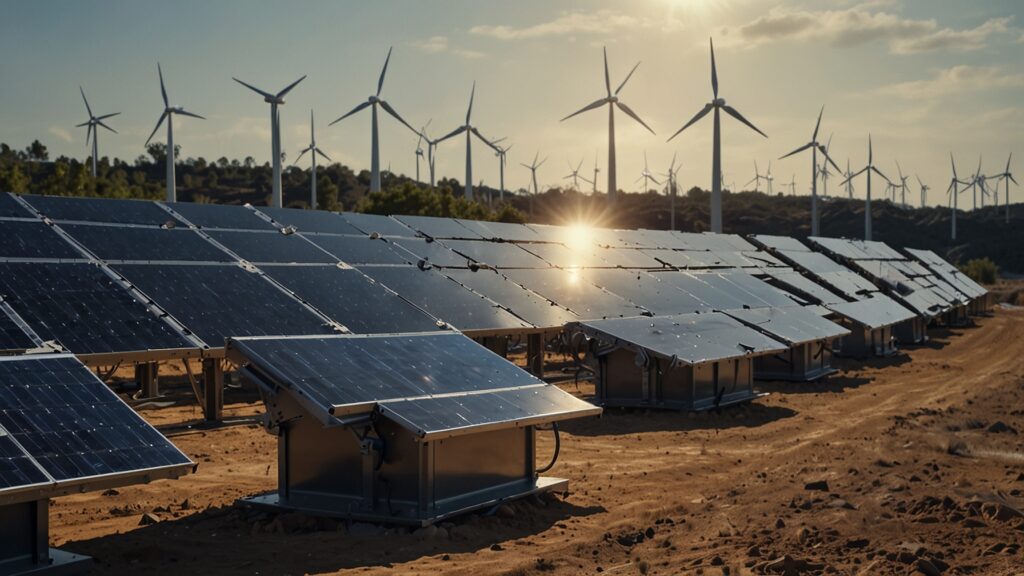
Using renewable sources such as solar, hydro, or wind can reduce costs while ensuring sustainability. Industrial miners increasingly adopt renewable energy to cut expenses and comply with environmental regulations, giving them both economic and regulatory advantages.
Mining Hardware Efficiency
Hardware efficiency plays a major role in determining mining profitability. Efficient equipment allows miners to earn more for each unit of energy consumed, while older or less powerful machines can drastically reduce returns.
Old vs New ASIC miners:
Older ASIC units consume more power for the same or lower hash rate, leading to higher electricity bills and maintenance costs. New-generation ASICs are optimized for performance and energy consumption, allowing miners to remain competitive in a growing global network. Regular upgrades have become a key strategy for industrial miners and serious home miners alike.Hash rate vs power consumption:
The ratio of hash rate (computing power) to energy consumption determines efficiency. Higher hash rate with lower power use maximizes rewards per kilowatt-hour, which is crucial as global competition continues to rise.Hardware lifespan in 2026:
Hardware longevity is also a key consideration. Mining equipment typically has a useful life of 1–3 years, depending on usage and technological advancements. Planning upgrades and maintenance is necessary to maintain profitability in a rapidly evolving industry.
Cryptocurrency Prices and Market Volatility
Even with efficient hardware and low electricity costs, crypto mining profitability is heavily influenced by market prices.
Bitcoin price impact on mining income:
Mining rewards are denominated in cryptocurrency, so their value in fiat currency changes with market price. Higher Bitcoin or altcoin prices increase mining profitability, while price drops reduce earnings.Risk during bear markets:
Extended periods of low prices can make mining unprofitable, especially for small miners with higher operating costs. Many miners may pause operations or sell equipment during bear cycles to minimize losses.Holding vs selling mined coins:
Deciding whether to hold mined coins for potential future gains or sell immediately for cash flow is a critical strategy. Holding can be profitable during bull markets but increases exposure to market volatility, while selling ensures operational costs are covered but may limit long-term gains.
Final Verdict: Is Crypto Mining Still Profitable in 2026?
The answer is yes, but with conditions. Crypto mining can still be profitable in 2026, especially for those who manage electricity costs, invest in efficient hardware, and carefully monitor market conditions. Small or outdated operations may struggle, while industrial-scale miners with access to renewable energy and advanced equipment remain most competitive.
In summary, profitability depends on three key factors: low energy costs, modern mining hardware, and smart management of mined coins amid market volatility. While short-term gains can fluctuate with crypto prices, miners who plan strategically and focus on efficiency can continue earning profits over the long term. Mining is no longer a simple hobby—it requires careful calculation, investment, and adaptation to stay viable in the evolving global landscape.